

Engaging in online gaming should always remain an entertaining, casual leisure activity rather than a financial strategy or an escape from emotional stress. At EM777 Philippines, we are dedicated to fostering a safe, transparent, and balanced gaming environment. While digital slots, live dealer tables, and traditional games provide recreation, they involve real financial risk and carry inherent mathematical house advantages designed to favor the operator over extended periods.
Understanding the boundary between recreational entertainment and compulsive gambling behavior is essential for every player. This framework outlines the physiological and behavioral warning signs of problem gambling, actionable self-control tools, financial safeguards, and verified pathways to professional assistance.
Core Philosophy of Responsible Gambling
Recreational gaming is characterized by clear personal boundaries, pre-allocated entertainment budgets, and the complete acceptance that any money wagered may be lost. The moment a player views gaming as a dependable way to earn income, pay overdue debts, or recover previously lost funds, the nature of the activity shifts from leisure to financial vulnerability.
We advocate for three fundamental tenets:
- Informed Consent: Players must understand game mechanics, mathematical probability, return-to-player (RTP) statistics, and the exact terms of promotional turnover before risking money.
- Strict Age Verification: Participation in real-money gambling in the Philippines is strictly prohibited for individuals under 21 years of age.
- Financial Compartmentalization: Gambling funds should only come from discretionary personal entertainment budgets, never from funds designated for rent, utilities, food, healthcare, or family education.
Self-Assessment: Evaluating Your Gaming Habits
Self-reflection is the most effective defense against gambling-related harm. Take a moment to honestly consider the following self-assessment questions regarding your recent gaming activity:
- Do you spend more money or time playing online casino games than you initially planned?
- Have you ever borrowed money from friends, family, or online loan apps to finance gambling deposits?
- Do you feel a compulsive urge to immediately deposit more funds after a losing session in an effort to "chase" your losses?
- Has your gaming activity caused arguments, broken commitments, or decreased productivity at your job or with family members?
- Do you conceal the full extent of your gaming deposits or time spent on gaming websites from loved ones?
- Have you felt restlessness, irritability, anxiety, or insomnia when attempting to cut down or stop playing?
- Do you gamble as a primary coping mechanism when facing stress, depression, boredom, or loneliness?
If you answered affirmatively to two or more of these questions, you may be developing problematic gambling behaviors. Recognizing these patterns early allows you to regain control before financial and personal consequences compound.
Behavioral Warning Signs of Problem Gambling
Problem gambling typically develops progressively rather than overnight. Being aware of the emotional, financial, and behavioral shifts associated with compulsive play allows players and their families to intervene effectively.
Emotional and Mental Indicators
- Persistent preoccupation with betting odds, upcoming games, or promotional bonuses even when engaged in work or personal conversations.
- Experiencing intense mood swings tied directly to winning or losing streaks.
- Experiencing heightened guilt, shame, or anxiety following an extended gaming session.
- Feeling a need to increase the size or frequency of bets to experience the same level of excitement.
Financial and Operational Indicators
- Depleting savings, emergency funds, or payroll accounts to finance e-wallet deposits via GCash or PayMaya.
- Liquidating personal assets, pawning electronics or jewelry, or maxing out credit lines to fund continuous wagering.
- Neglecting essential household bills, rent, or tuition fees in favor of online casino deposits.
- Regularly betting with maximum bet buttons or placing erratic, uncalculated wagers when frustrated.
Social and Interpersonal Indicators
- Withdrawing from family gatherings, hobbies, sports, and social events to spend uninterrupted hours on mobile gaming applications.
- Lying about whereabouts or fabricating excuses to justify missing work or family responsibilities.
- Blaming external factors, such as "unlucky" dealers or software bugs, instead of recognizing the statistical certainty of house advantages.
Practical Tools for Maintaining Control
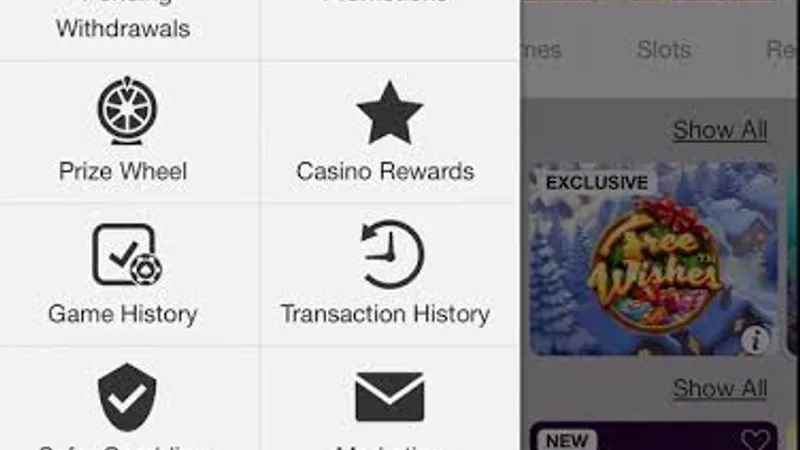
Configuring Account Deposit Limits and Self-Exclusion Protections
Maintaining discipline requires proactive boundaries set before your gaming session begins. We strongly advise all players to adopt the following self-regulation practices:
Establishing Clear Session Limits
Set a timer on your smartphone before logging into any casino platform. When the alarm sounds—whether you are currently winning, breaking even, or losing—log out immediately and step away from your screen. Extended gaming sessions inevitably impair decision-making and lead to fatigue-driven errors.
Implementing Hard Bankroll Caps
Determine a non-negotiable loss limit for the week or month. Once this threshold is reached, stop playing entirely until the next designated period. Never make an unscheduled deposit to compensate for a bad run. A helpful rule of thumb is to deposit only what you would comfortably spend on a night out at the cinema or a casual restaurant.
Avoid the Loss-Chasing Trap
The concept of "chasing losses" is the single most destructive psychological trap in gambling. The mathematical law of independent trials dictates that previous slot spins or baccarat hands have zero influence on future outcomes. Doubling or tripling your bet sizes after a loss does not increase your probability of winning; it simply accelerates the depletion of your bankroll.
Maintain Clear Sobriety
Never play online casino games while under the influence of alcohol, recreational substances, or severe emotional distress. Substances impair risk perception and critical reasoning, making you far more likely to ignore bankroll limits and make impulsive wagers.
Platform Safeguards and Self-Exclusion Mechanisms
Reputable gaming portals provide built-in administrative tools designed to assist players in curbing excessive play. If you feel your gaming habits are becoming difficult to manage, you can request the following protections:
Deposit and Loss Ceilings
You can contact platform customer support to configure mandatory daily, weekly, or monthly deposit ceilings on your account. Once these thresholds are reached, the cashier system automatically blocks additional inbound transactions until the designated time window resets.
Temporary Cooling-Off Periods
If you notice escalating frustration, you can request a temporary cooling-off break ranging from 24 hours to 30 days. During this period, your player account remains locked, promotional marketing messages are suppressed, and login attempts are automatically rejected.
Permanent Self-Exclusion
For players experiencing severe compulsive gambling symptoms, permanent self-exclusion is the most responsible choice. Through self-exclusion, your gaming account is indefinitely terminated, remaining balances are settled in accordance with withdrawal verification rules, and your mobile number and identity details are blacklisted from registering new accounts on the platform.
In the Philippines, players seeking comprehensive exclusion from domestic regulated gaming facilities can also enroll in the National Program for Responsible Gaming administered by the Philippine Amusement and Gaming Corporation (PAGCOR), which allows individuals or immediate family members to file formal exclusion orders.
Protection of Minors
Online gambling is an adult-only activity. Under Philippine law and international standards, no individual under 21 years of age is legally permitted to participate in real-money gambling.
We strongly urge parents and guardians to implement safeguards on shared household devices:
- Use Filtering Software: Install parental control software such as Net Nanny, Qustodio, or Google Family Link to block access to online gambling domains on smartphones, tablets, and desktop computers.
- Keep Payment Credentials Secure: Never save your GCash or PayMaya MPINs, passwords, or banking credentials in shared browser caches or password managers accessible to children.
- Educate Youth on Financial Realities: Talk openly with teenagers about the predatory nature of unregulated gaming, the mathematics of house edges, and the distinction between video game microtransactions and real-money wagering.
Where to Find Professional and Confidential Help
If gambling is negatively impacting your life, your mental health, or your financial stability, please remember that you are not alone, and compassionate assistance is available. Seeking guidance is a sign of strength and self-awareness.
The following non-profit organizations offer free, confidential, and professional support:
Gambling Therapy
- Website: Gambling Therapy
- Services: Global 24/7 multilingual live chat support, peer-led support groups, self-help forums, and tailored advice for individuals struggling with gambling addiction and their family members.
BeGambleAware
- Website: BeGambleAware
- Services: Comprehensive educational materials, confidential self-assessment tools, debt advice references, and practical strategies for breaking compulsive betting cycles.
PAGCOR Responsible Gaming Department
- Website: PAGCOR
- Services: Manages the official Philippine National Program for Responsible Gaming, handling voluntary self-exclusion applications and family exclusion requests for domestic venues.
Frequently Asked Questions
What does "house edge" mean in casino games?
The house edge represents the mathematical advantage that the casino holds over the player in any given game. Over thousands of rounds, the game rules ensure that the platform retains a predictable percentage of total wagers, meaning players face a negative expected return over the long term.
Can winning strategies guarantee a profit in online slots or baccarat?
No strategy can overcome the mathematical house edge of casino games. Slot machines operate on certified Random Number Generators (RNG), ensuring that every spin is statistically independent and completely unpredictable. Staking systems like Martingale can temporarily manage bet sizing but cannot change the underlying probabilities of the game.
How do I request self-exclusion from EM777?
To initiate self-exclusion, contact 24/7 Live Customer Support via live chat or Telegram. Clearly state that you wish to activate self-exclusion on your account due to responsible gaming concerns. Provide your registered username and mobile number to finalize the request.
Will self-excluding from one casino block me from all online gaming sites?
Self-excluding directly through a specific website only locks your account on that individual platform or its associated mirror network. To achieve broader protection, consider enrolling in official regulatory exclusion programs and utilizing device-level gambling website blockers.
What should family members do if a loved one refuses to stop gambling?
Family members can seek confidential counseling through support networks like Gambling Therapy to learn constructive communication strategies, protect household finances, and explore options for formal third-party exclusion where legally available.